A recent scientific study found that open world games have a significant impact on improving the quality of life and emotional health of people. Research has also shown that combining games with watching films that inspire nostalgia, such as gypsies studio films, can produce stronger results, suggesting that different types of media can interact.
A previous article in the game research journal JMIR Serious Games shows that, according to scientific research data, playing Zelda Legend: The Wilderness could have a number of positive effects for players. Using as a sample a group of graduate students who suffer from anxiety, disaffection and fatigue, researchers found that a separate tour of The Wilds helps to stimulate a sense of purpose and meaning in life. In addition, games can help people become more stable in non-play situations, more risk-taking, and upgrade skills to cope with real life.
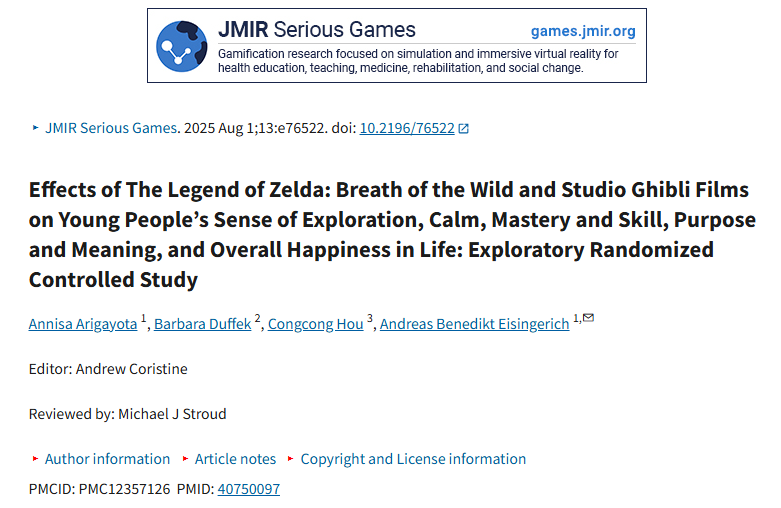
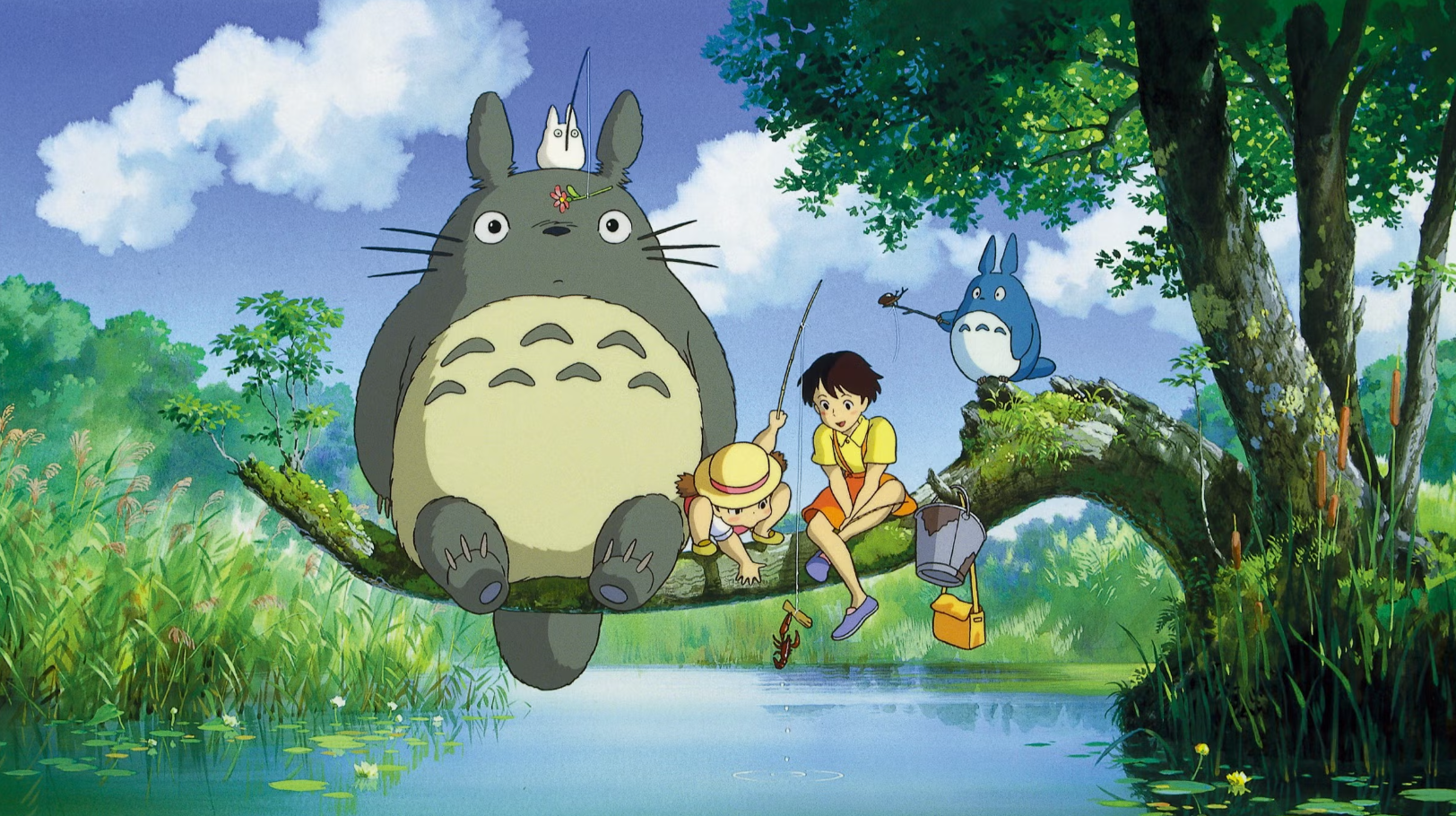
In order to explore the potential interaction between the game and the visual, the researchers also allowed some participants to play the wilderness on a short-term basis and to watch a clip from the Gypsy studio, the Dragon Cat, or the witch house. Researchers speculated that the film clips could stimulate a positive nostalgia among participants, and it was found that this group of participants showed a more significant increase in their overall sense of happiness and purpose in life.
Although the study was limited and did not assess the long-term sustainability of the positive impact, it provided scientific evidence for the “player useful theory”. Prior to this, scholars have identified the potential of games to assist in the prevention of substance addiction and to improve mental health. Research has proven that play promotes pro-social behaviour, strengthens community-building and even evidence that it helps to mitigate the effects of cognitive disorders.

The new study was launched at a time when the play industry was of great interest to all sectors of society, and there was a renewed political call for regulation of the game and related areas. The scientific community has long studied the potential negative effects of games, ranging from the risks that some marginal play communities may pose to the psychosocial effects of certain types of multiplayer games. However, recent research proposals against game companies often repeat old and unsubstantiated allegations, such as violent games that lead to player violence.