The Chief Executive Officer of OpenAI Applications, Figi Simo, confirmed that the “adult model” of ChatGPT would be launched in the first quarter of 2026, although the date had not yet been set, as the functionality went online on the assumption that the company’s whole new ASI model would be validated. OpenAI is currently testing the ability of the AI system to automatically identify users under 18 years of age and apply corresponding content filters in some countries.
Unlike the “age validation” window approach used on most websites, OpenAI does not intend to rely on the integrity mechanism of a self-declared user. Traditional web services can circumvent liability by labelling as “content may cause discomfort”, but the interactive nature of AI means that developers need to think more carefully about the functional boundaries of the tool and the clients. OpenAI hopes to build a fine system that can extrapolate age through user behaviour and dialogue. ChatGPT will prohibit adult content until the system is ready. There are long-standing rumours about the ChatGPT adult model, especially after XAI launched a limited-age version for Grok. The statement by Figi Simo formally indicates that OpenAI intends to introduce a more mature version of the tool within the security and legal framework. It is worth noting that exposed and more explicit content may not be at the core of the ChatGPT adult model. Earlier statements by CEO Sam Altmann and others have suggested that the model is more likely to open up taboo discussions that are currently filtered for “non-family friendly” reasons.
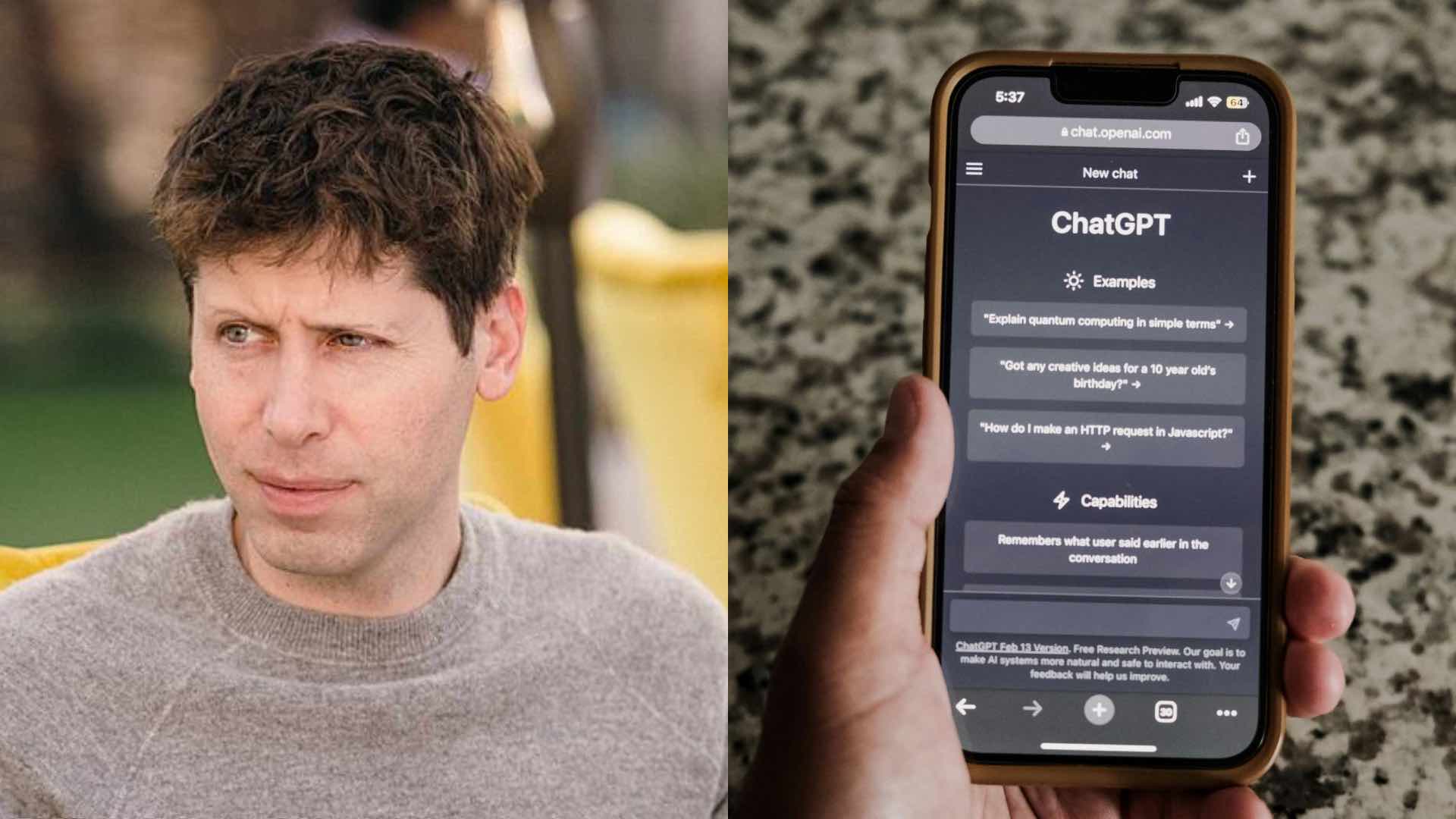
There have been frequent criticisms of ChatGPT ‘ s excessive caution on the blurring of borders, leading to its guidelines being too conservative. Such a strategy had been wise at the commercial level, given that everyone had different “appropriate” criteria. OpenAI can now be integrated through adult models. In their article, Techradar notes that the practical benefits of the adult model may ultimately appear to be quite common – opening up discussions on sexuality, interpersonal relations and mental health alone would bring the AI chat robot into a new field. However, age certification is a difficult issue that has been plaguing the industry. Most systems rely on the submission of data or facial recognition by users, while OpenAI chooses a path to behavioural interpretation: to test maturity by training AI to analyse user dialogue and subject orientation. However, miscalculation in any direction may give rise to legal or commercial risks.

As the global drive for online age validation of new rules is actively pursued, OpenAI’s “adult model” will undoubtedly face multiple reviews from both official and non-official sources, and may see this function as a step towards upgrading user experience and proactive compliance. Given the long-standing expectations of users for an individualized AI experience, the adult model allows users to control more freely the way they interact with ChatGPT and may also facilitate fee-based subscriptions. If age-testing systems are effective and adult models are popular with users, ChatGT may re-establish industry poles and pave the way for a more mature chat robotic age.