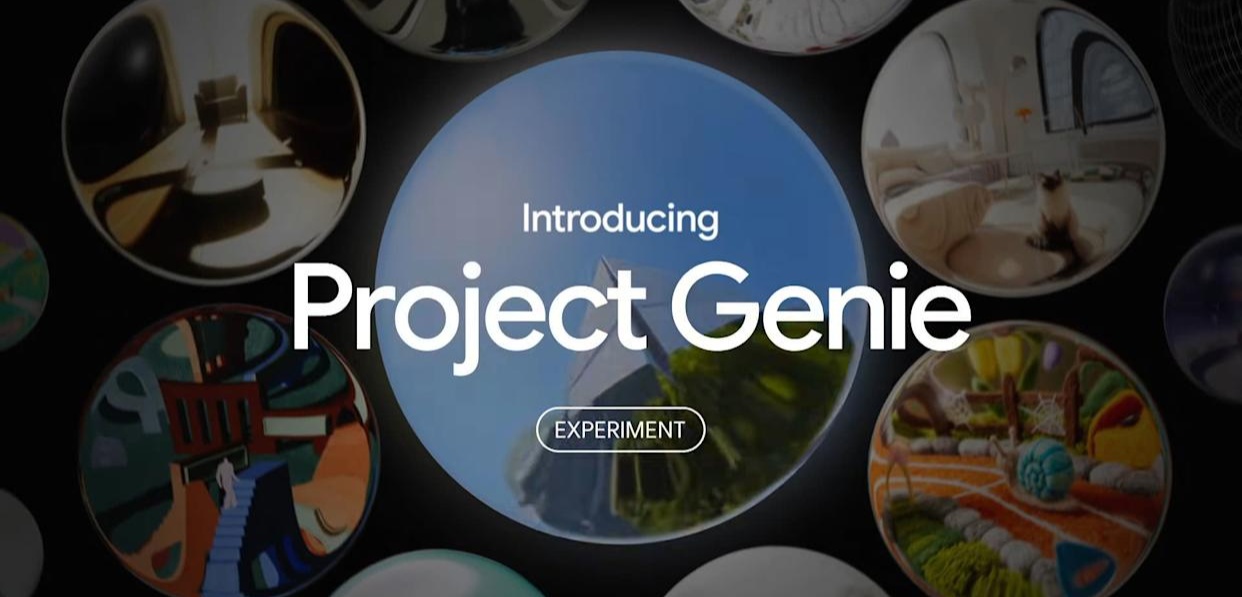
The DeepMind Research Department under Google has recently started opening its latest experimental AI tool to specific users. The tool allows users to generate unique, real-time interactive “playable worlds” by simply sending text tips or uploading pictures and sharing them via video. This marks a move from static images to dynamic, interactive experiences, and thus a new and heated debate on creativity, copyright and the future of the industry.
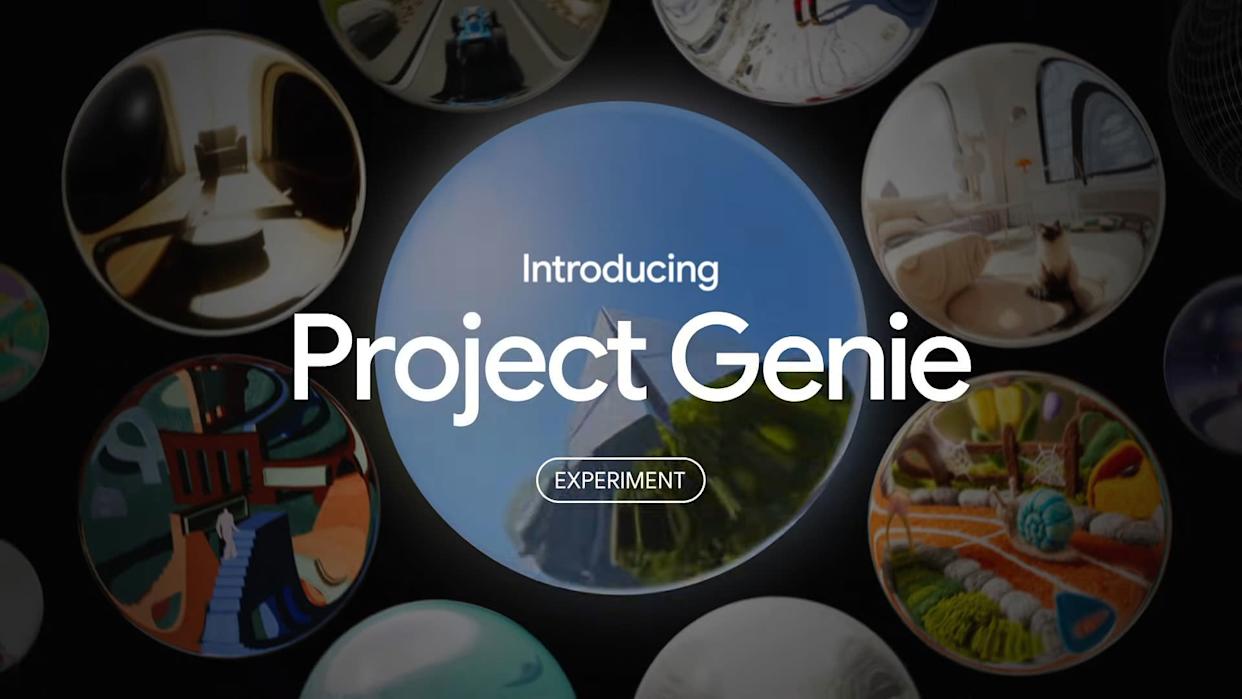
Real-time generation from text to dynamic world According to Google’s presentation, Project Genie works in a manner similar to other generating AI. When users are suspiciously entering an idea or upload a reference map, the system generates a basic world. Users can then define their role in the same way and set key attributes, such as how the role moves (jumping, flying) and explore perspective (first or third person). Its core technology highlights real-time generation: AI expands and replicates the surrounding environment in accordance with the player ‘ s actions and camera direction when moving or interacting in the player ‘ s scene. In addition, users can “mix” an existing world, change art styles, roles or elements by modifying the hints and build new content on the original basis.
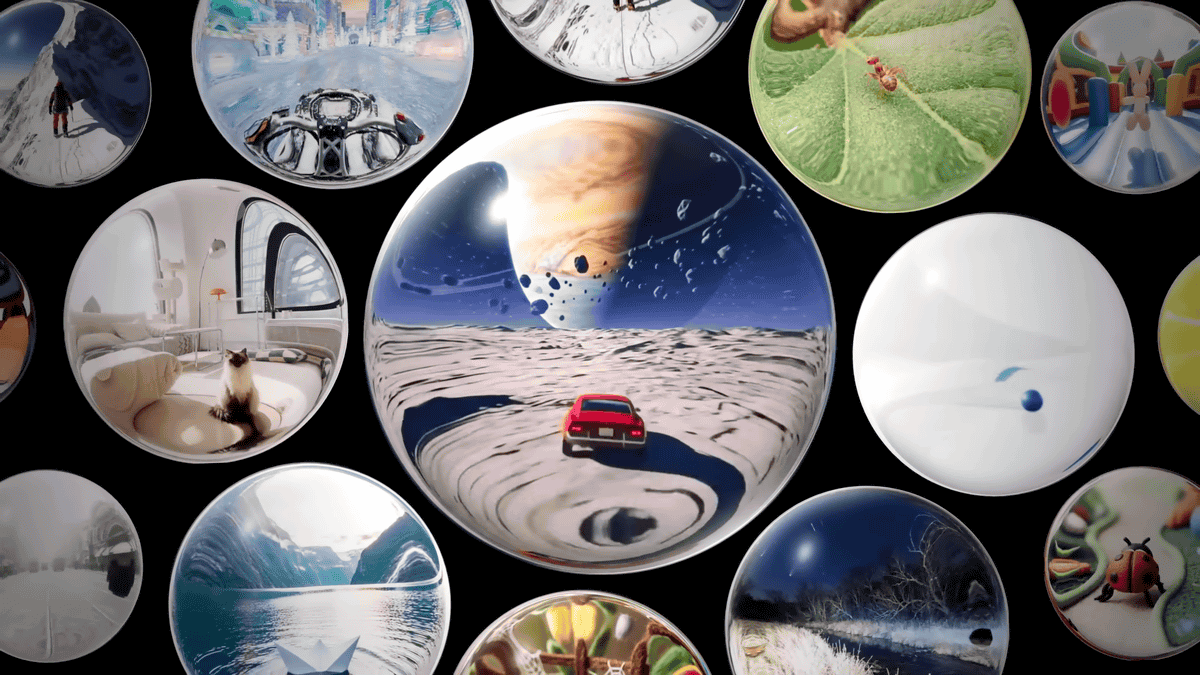
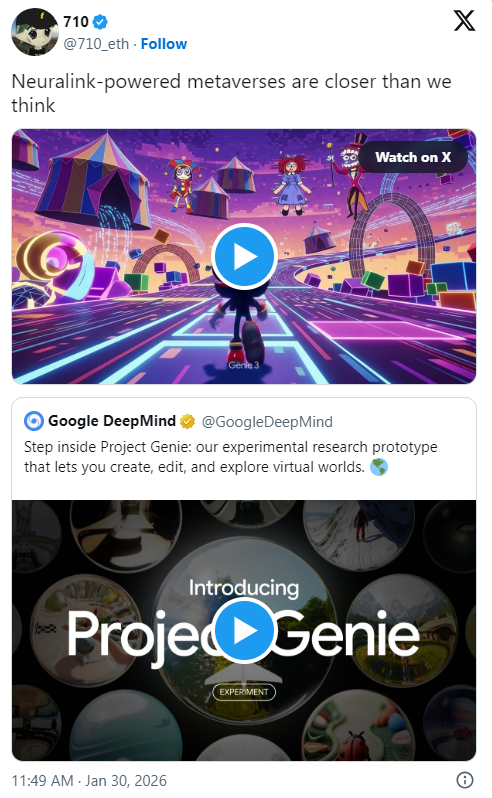
Currently, Project Genie only provides early test access to Google AI Ultra subscriptions in the United States (US$ 250 per month). As a research prototype, there are significant limitations: the world created may not be realistic enough and may not necessarily adhere strictly to the laws of physics or call; there are operational delays; and most importantly, there is a 60-second limit to each experience. Google highlights in its blog that the project aims to “responsiblely construct technologies for the benefit of humanity”, but does not specify the sources of its training data or restrictions on copyright content. Copyright “Gray Zone” and Industry Impact Once the tool was available, its potential copyright issues quickly became the focus. Test users have shared their work in social media, with clearly copyright-protected roles and IPs such as Sonik and Zelda Legend: The Desert. Legal experts noted that this faced the same fundamental questions as other AI-generated imagery tools: are training data legal? Are copyright exceptions?
The partner of Wiggin’s firm, Peter Luin, analysed that “it is one thing to allow fans to make static people-to-people maps, but it is another to allow them to create a whole world of interaction that may encroach on the official product market in the future”. In his view, while Genie was still at an early stage, it was expected that he would face greater scrutiny and resistance from IP owners and that eventually, like other AI tools, he might have to introduce a “barrier” to prevent the generation of well-known IPs. “Replacers” anxiety caused by technological advances The emergence of Project Genie has moved the current debate in the game industry on AI from supporting work streams (e.g., the production of art materials) to more central areas: the automated generation of real-time, interactive content. Supporters are excited about the potential to lower the creation threshold, and even some are beginning to discuss its possible future reduction in demand for traditional game developers. Critics, however, have highlighted their current enormous technological limitations and energy consumption. This controversy is not isolated. Last year, Microsoft also released a demonstration of the Hammer of Thunder, driven by the generated AI model “Muse”, which was designed to demonstrate technical possibilities, but made it clear that it did not seek to restore the original experience. The demonstration received a lot of negative feedback on social media, with a sharp comment from users: “It requires the same hardware as the actual game, while power is consumed a billion times more, creating only a vague and inaccurate imagination.”