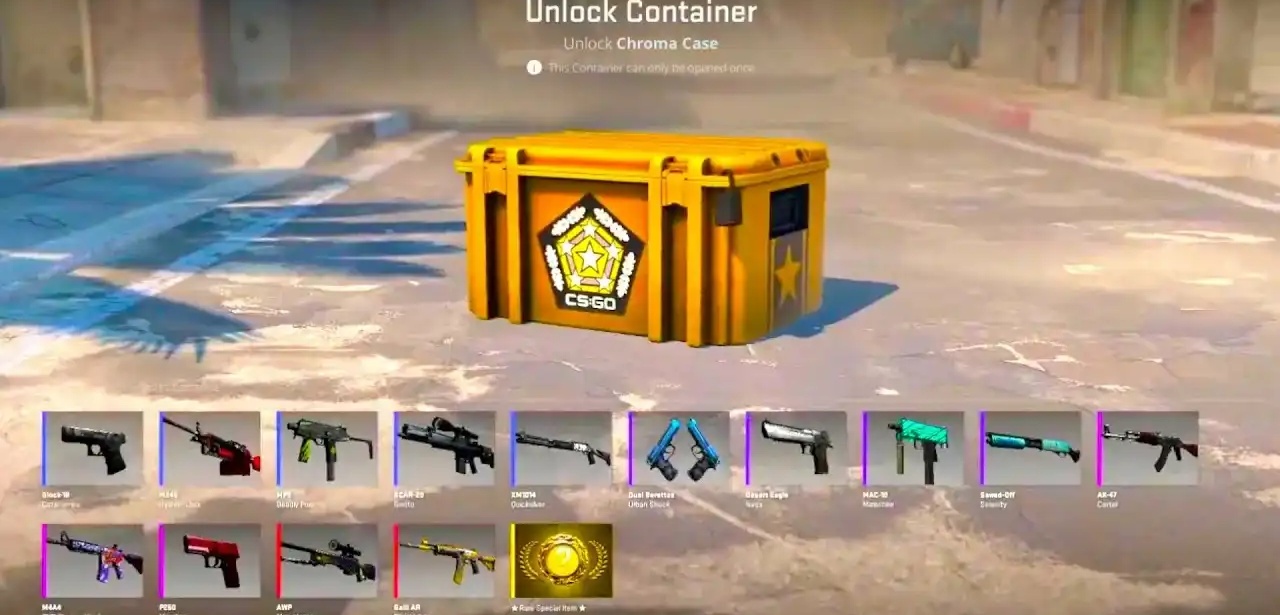
From worthless stickers to tens of millions of dollars worth of weapons skins, random prizes for trophies and their potential economic value, each opening of the Anti-Terrorism Elite (CS) is like a lottery ticket to provide uncertainty stimulus and dopamine release to players. These have no impact on the performance of the game, which is essentially a decorative virtual object, but they provide a cover for one of the most profitable and poorly regulated markets in the game world.
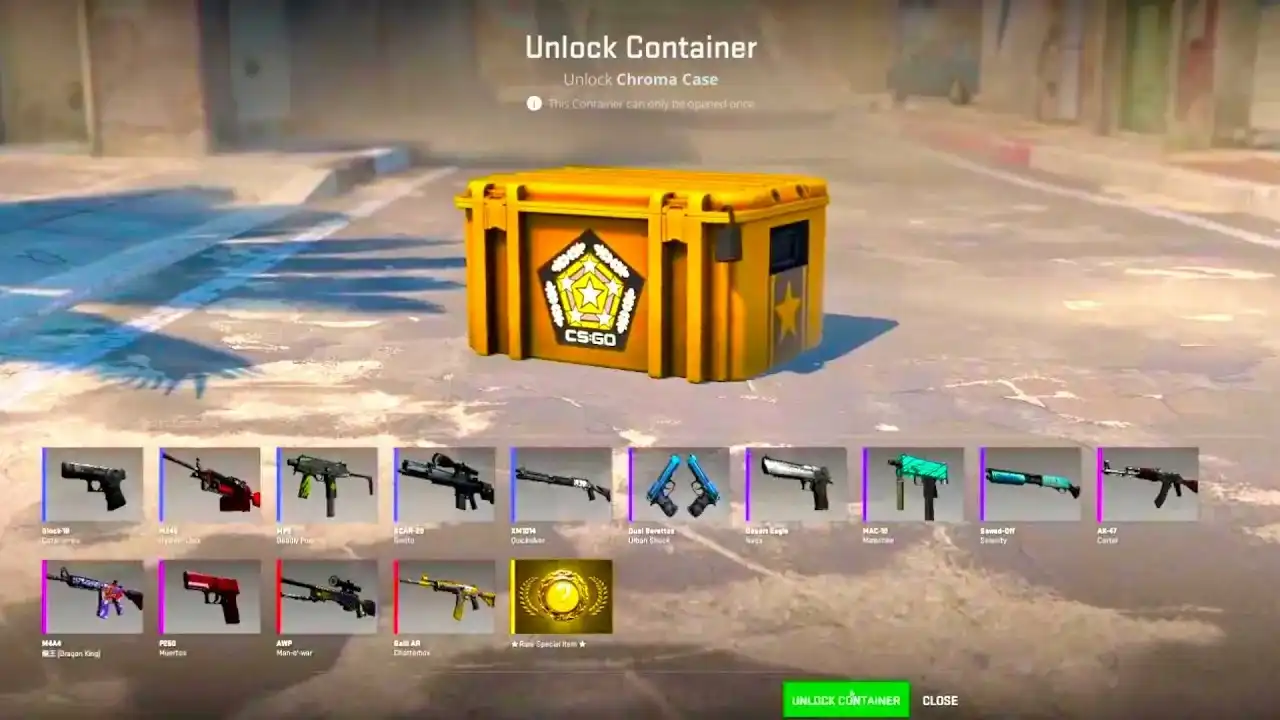
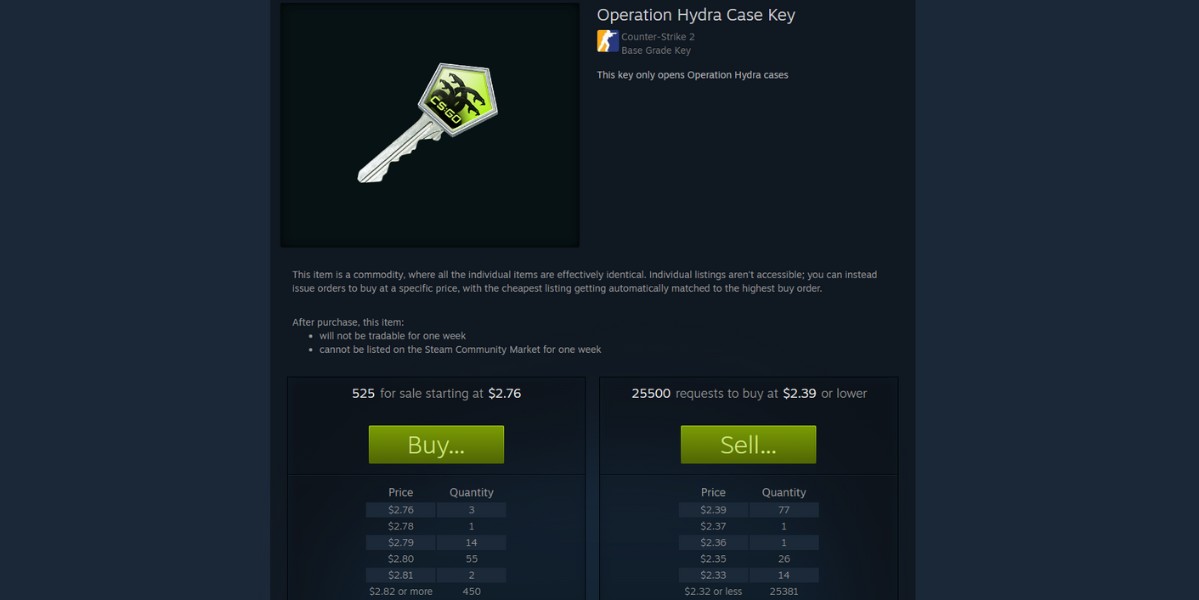
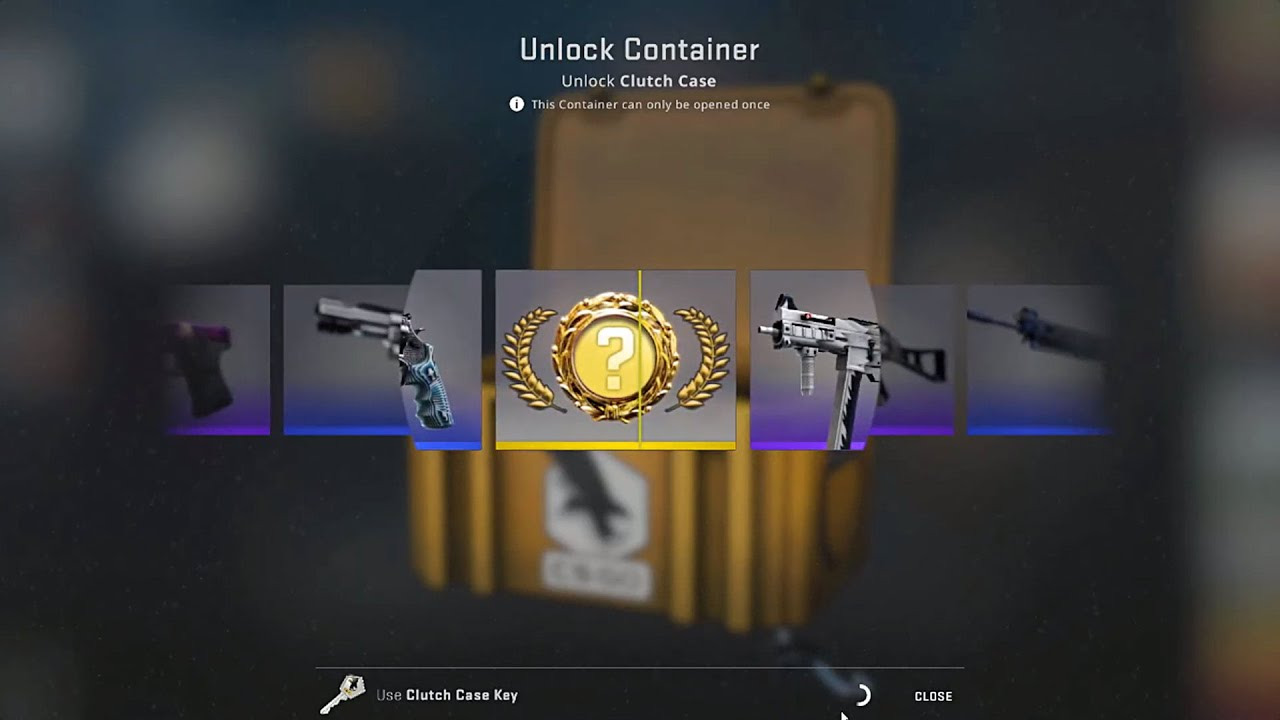
Industrial analyst Chris Smith, who has 15 years of experience, said in an interview with SIGMA News: “The electricity industry is often said to be large, but the C.S. jewelry market alone has crushed the entire industry. In the last 30 days of testing, Valve (V) earned about $80 million by selling open-box keys.” These ornaments have evolved from the original simple weapons personalization function to a global economic system now based on identity symbols, speculation and risk. CS accessories are used as assets to trade, as chips for gambling and even as gold jewels. To understand the nature of such market behaviour, however, it is necessary to track the flow of its funds. What exactly is C.S.?In ” Anti-Terrorism Elite 2 (CS2) ” , ornaments are ornaments that simply alter the appearance of weapons or roles. While not offering the advantage of the game, it has become a cultural symbol in the player community. Players obtain accessories by randomly falling each week, trading with other players or opening trophies. Each trophy box needs to purchase a key with a value of about US$ 2.5 to be opened, with an award that is completely random (which is its charm), and the entire process almost perfects the dopamine cycling mechanism of the tiger machine.
The Steam platform of the CS developer V operates the official trading market with a commission of 15 per cent per transaction: 5 per cent for Steam and 10 per cent for the game. But the key is that all the proceeds are deposited in Steam’s wallet, which can only be used in V’s ecology. “It’s like an undisclosed online casino,” Smith explains. The Rise of Third Party MarketsThe unique limitations of the V Society and its amazing profits have created new opportunities. With the emergence of more and more third-party websites, a bridge between virtual assets and real-world money has been created for players, which allow players to list their items for buyers and to trade through cash or encrypted money instead of Steam points. They serve as third-party hosting services: sellers send the jewellery to the website, buyers pay the platform and the transaction is confirmed by both parties and completed. The commission is much lower than Steam, usually between 2 and 3 per cent. Smith explained: “These websites use Steam for asset transfers, which is contrary to Platform rules, and therefore, in order to circumvent the review, they need to constantly create new accounts. If steam finds out, the whole stock may be emptied.” This led to a continuous game between V and market operators.
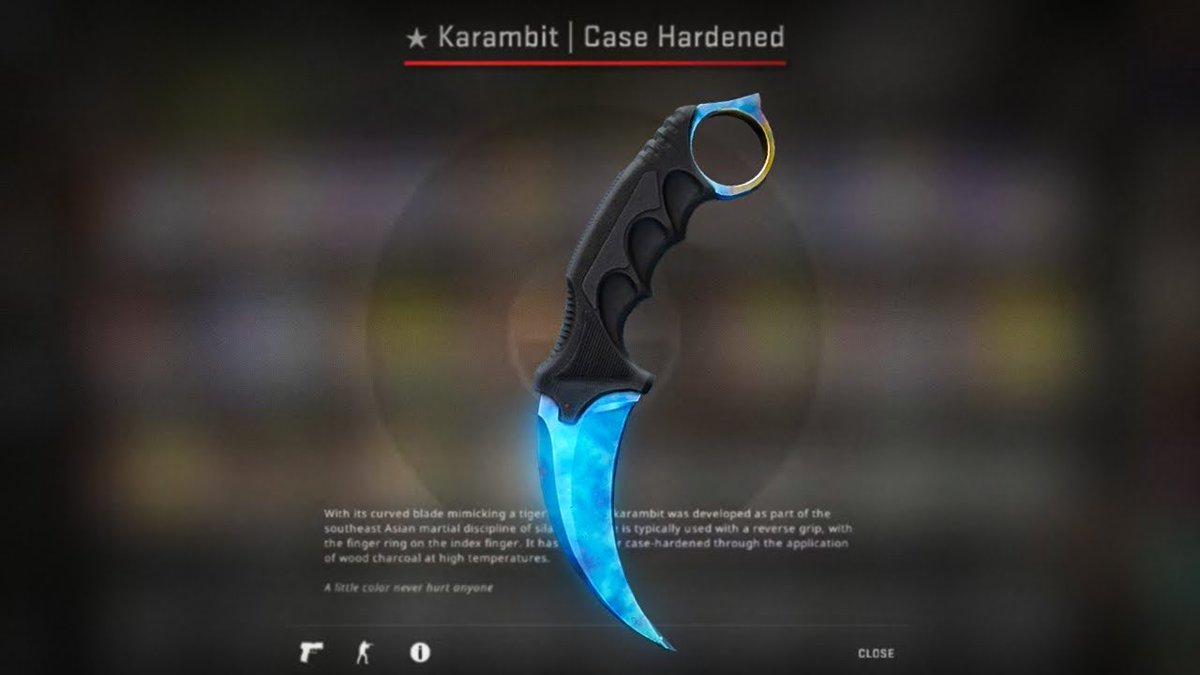
Gambling penetrationUnregulated markets inevitably breed corruption — many third-party markets also operate mature gambling boards. Players place the open-box reward as a chip on a roulette, dice game, electric competition, etc. Since chips are essentially game props rather than cash, operators are often able to circumvent gambling regulations and age limits. In September 2025, the British Government reported that the British gaming web site had been accessed 6.9 million times in just one month, accounting for nearly 4 per cent of the global total. Even more striking is the fact that young people between the ages of 18 and 24 account for nearly 45 per cent of the total, much higher than the gambling website. The attraction is obvious: gaming with gaming looks like a common game, but with higher bets and more flair, it is the first experience of many young people. Signs of identityThe skin has become a symbol of self-expression and identity in the first hand-fire game of the same weapons for all. The use of a rare skin is like displaying luxury goods in public. Smith describes the players with precious stocks: “When they show their blades, it boils all over the place, as if someone blew up the street in a limo.” And the high market price of the gaming gaming ornaments, the most expensive skin now being the “All Blue Fire Claw Knife” held by the Chinese player QQQQQQ, had been rejected by an offer of $1.4 million.
How big is the market?By the end of 2025, analysts estimated the economic size of CS2 to be approximately $5.2 billion, exceeding the total market value of most game companies. However, the CS2 jewellery market experienced a collapse in October, and on or about 23 October the total market value of CS2 jewellery fell from approximately $5.9 billion to about $4.2 billion, evaporating almost $2 billion a day. Very rare items such as high-end knives and gloves are commonly “cut off” and many types fall by more than 60 per cent a week, with individual hot gloves falling by 80 per cent. The incident fuse was the new “replacement contract” introduced at the time by V, which allowed players to use multiple high-grade (red skin) synthetic gold tops, amounting to a “production line” for high-end goods, attracting large numbers of “downdogs”. However, the value logic of the market is based on “frequentity”, and new policies will completely break supply expectations, with markets generally predicting that more and more high-end goods will be available and prices difficult to sustain. Heavy-barrel players and “back-dogs” feared that prices would continue to fall, choosing to throw at no cost, triggering a pedal drop, which was magnified as panic spreads. Since virtual items are not of real value in their nature, their “value” is entirely dependent on market consensus, game rules and player demand, and once these foundations are shaken (changed by the manufacturer’s rules), the value will suddenly be zero. It is therefore believed that this is a deliberate move by the V Club to encourage more players to return to the official market in Steam by shaking confidence in external trading platforms. CS2 Monument Market Timeline 2025:18 October: historic peak of $6,058 million, 26 October: crash low of $4.513 billion, 2 November: recovery to $5,090 million, 24 November: recent value of $5,267 million
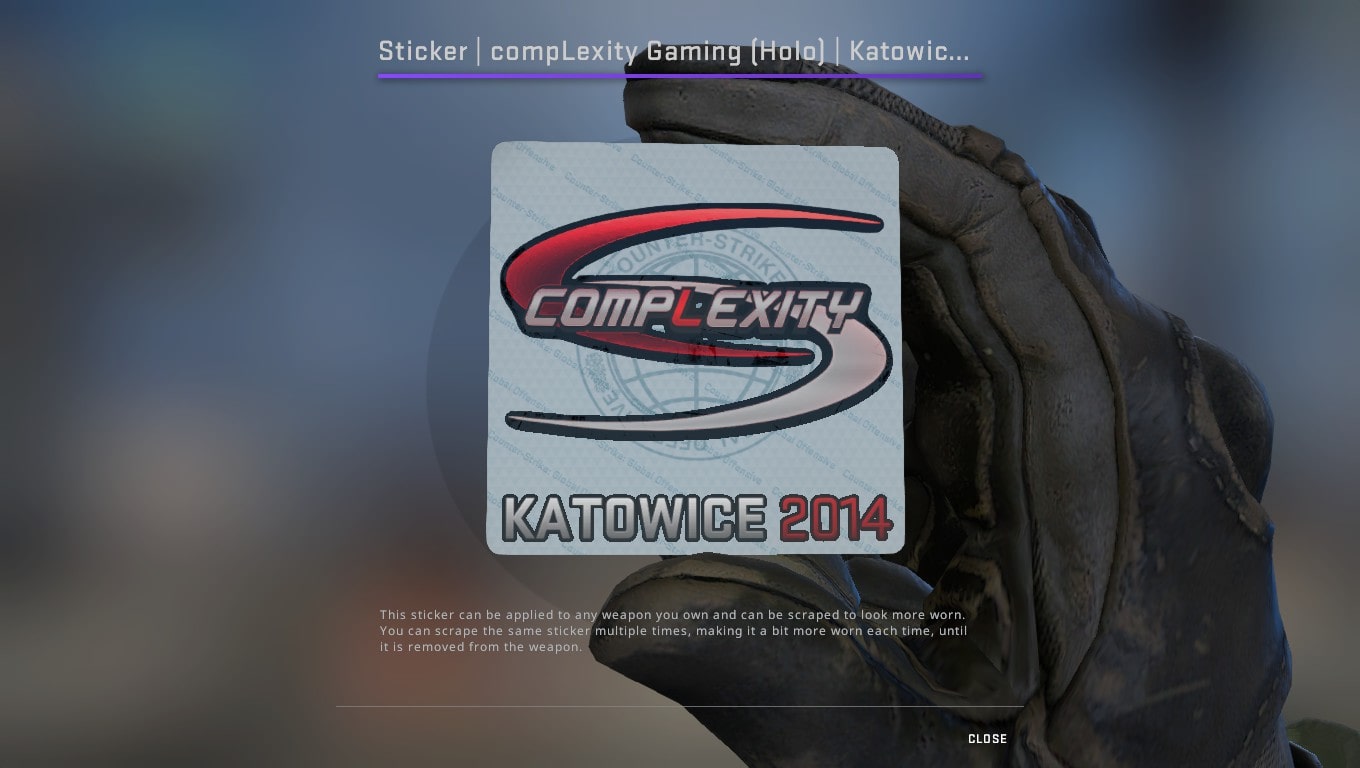
The balancing art of the V SocietyThe relationship between V Society and skin gambling has always been delicate. Companies profit greatly from opening the key to market commissions, but face growing political pressure for their gambling-like mechanisms. In July 2025, the V Society added a “transaction protection” function, allowing users to cancel transactions within seven days. In an attempt to prevent fraud, it also interfered with the operation of gambling sites, which had to delay payment until the end of the revocation period. It has also been reported that skin gambling and case opening companies have been banned from advertising in official competitions. Critics, however, pointed out that it was the system designed by the company that contributed to this. In countries such as Belgium and the Netherlands, where the opening of boxes is prohibited, V Society circumvents the law by only adapting the form by introducing a “original terminal” of previewable content. Dean Hall, a famous producer of the DayZ game, says: “V Society’s criticism of this is far from adequate. Honestly, I’m sick of gambling in the game.” The perfect storm of the speculative market.CS2 is unique in terms of the transparency and sensitivity of its economic system. The skin values are updated with the version, and the team’s performance and net-red marketing fluctuate. A team restructuring can double the sticker price in minutes. Dealers monitor dozens of markets to find opportunities to sell assets quickly using robots and API. The market reacted rapidly when the Complexity team announced that it had withdrawn from the Anti-Terrorism Elite due to lack of funds. Within an hour of the announcement, the price of the Complex paints went up by more than 100 per cent, and Smith described it as exactly like a micro-securities exchange, except that the subject of the deal was transformed from a stock into a virtual weapon.
Hard to shake economiesDespite the growing number of challenges, regulation remains inadequate. In most jurisdictions, gadgets are not recognized by law as currency, even if they can be gambled in real currency. This legal gap provides an excuse for operators and regulators to turn a blind eye. However, the review is being strengthened: Governments are revising the open-box legislation, gambling regulators are collecting data and the organizers of electric competitions are tightening their sponsorship rules. Whether reform comes from internal or external pressures, the economy will not disappear easily. Smith summed up: “There are 60 reasons for maintaining the status quo, skin economics funding the development of games, making users more sticky and keeping the topic hot. But once given real value, the ensuing chain reaction will be inevitable.”